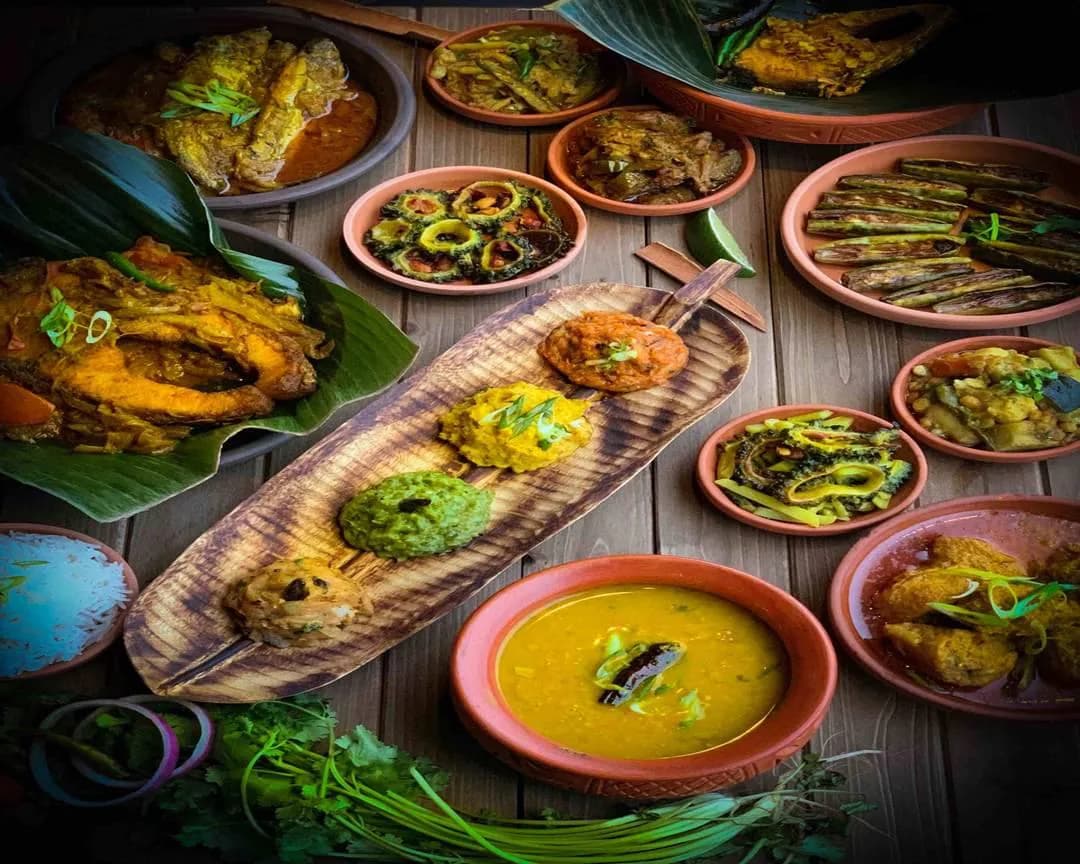
The character of a regional dish rarely comes from a single spice. It comes from proportion: what is toasted, what is ground, what enters the oil first and what is held back until the final minute.
Across Bangladesh, shared pantry ingredients become distinct local expressions. The masala is both a recipe and a record of place, trade, season and family preference.
A spice history written through Bengal
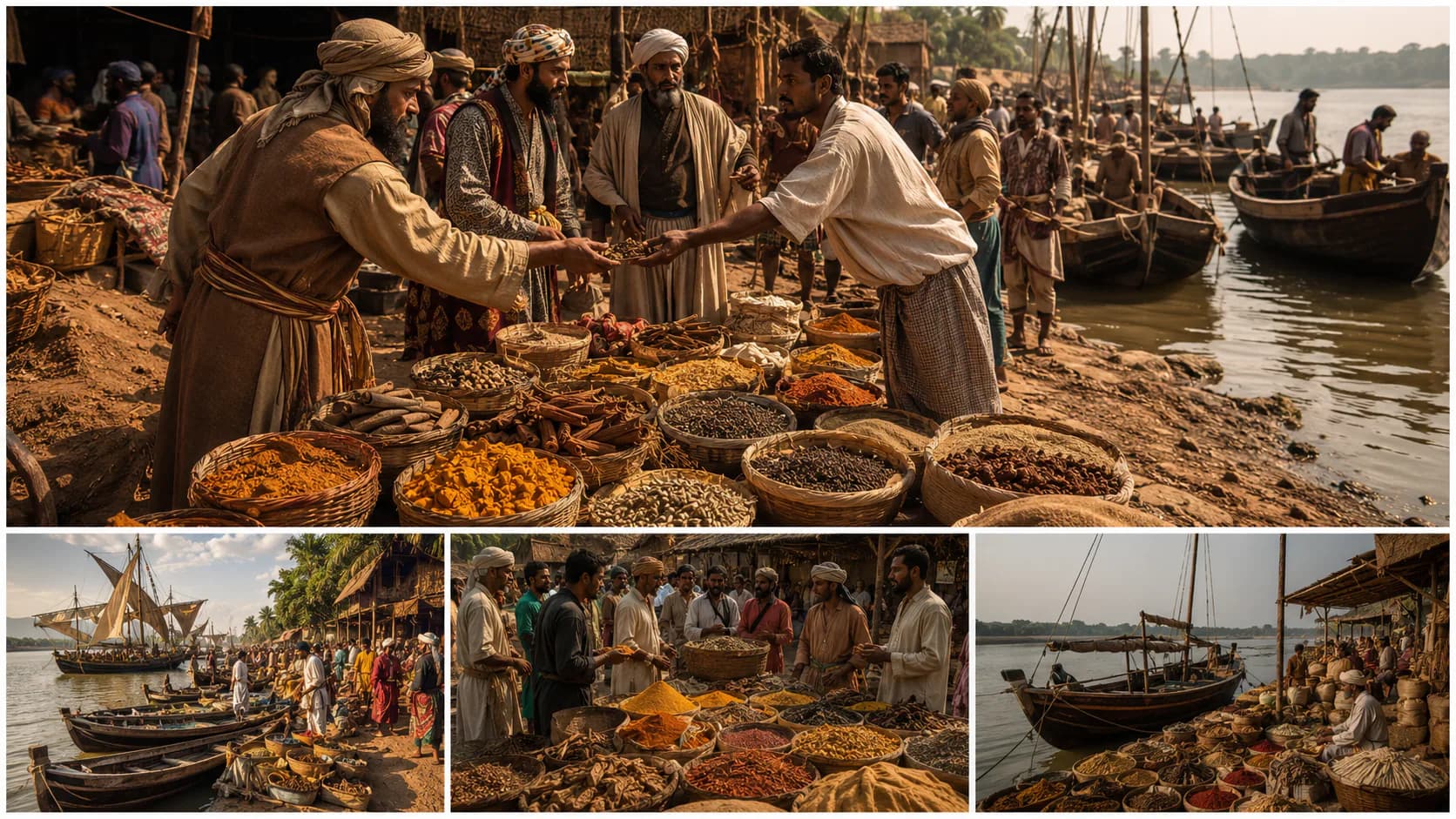
Bengal's river routes and ports connected growers, merchants and cooks over many centuries. Ingredients and techniques moved through those networks, meeting a local pantry already rich in mustard, turmeric, ginger and aromatic leaves.
Later courtly traditions added perfume, richness and slow-cooking techniques to urban foodways. Yet the cuisine was never simply imported: home cooks adapted what arrived to local fish, rice, pulses, vegetables and the humid delta climate.
Chilli offers a vivid example. Native to the Americas, it travelled through Portuguese trade before becoming so established that it now feels inseparable from everyday Bangladeshi cooking.
A palette built for balance
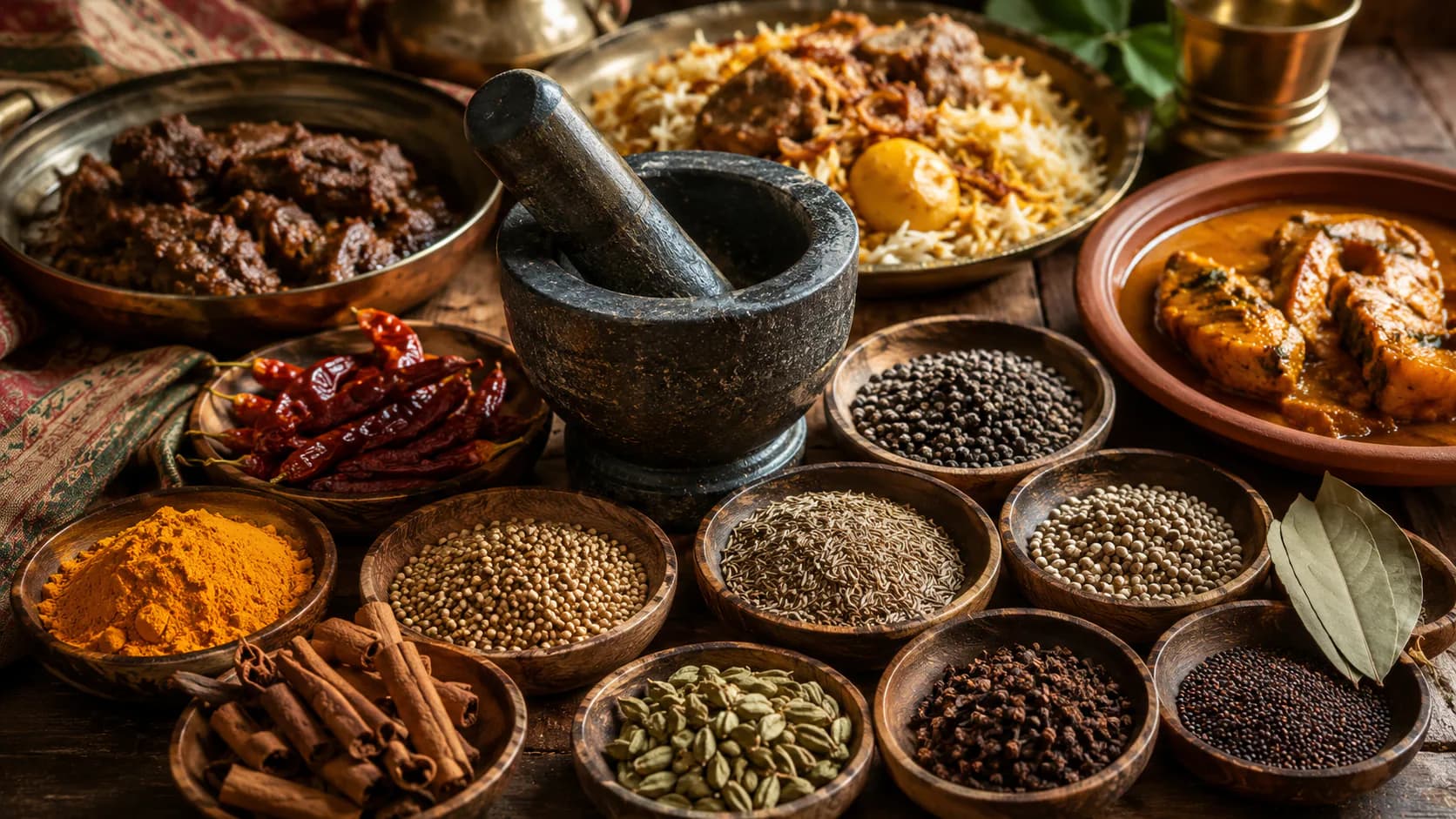
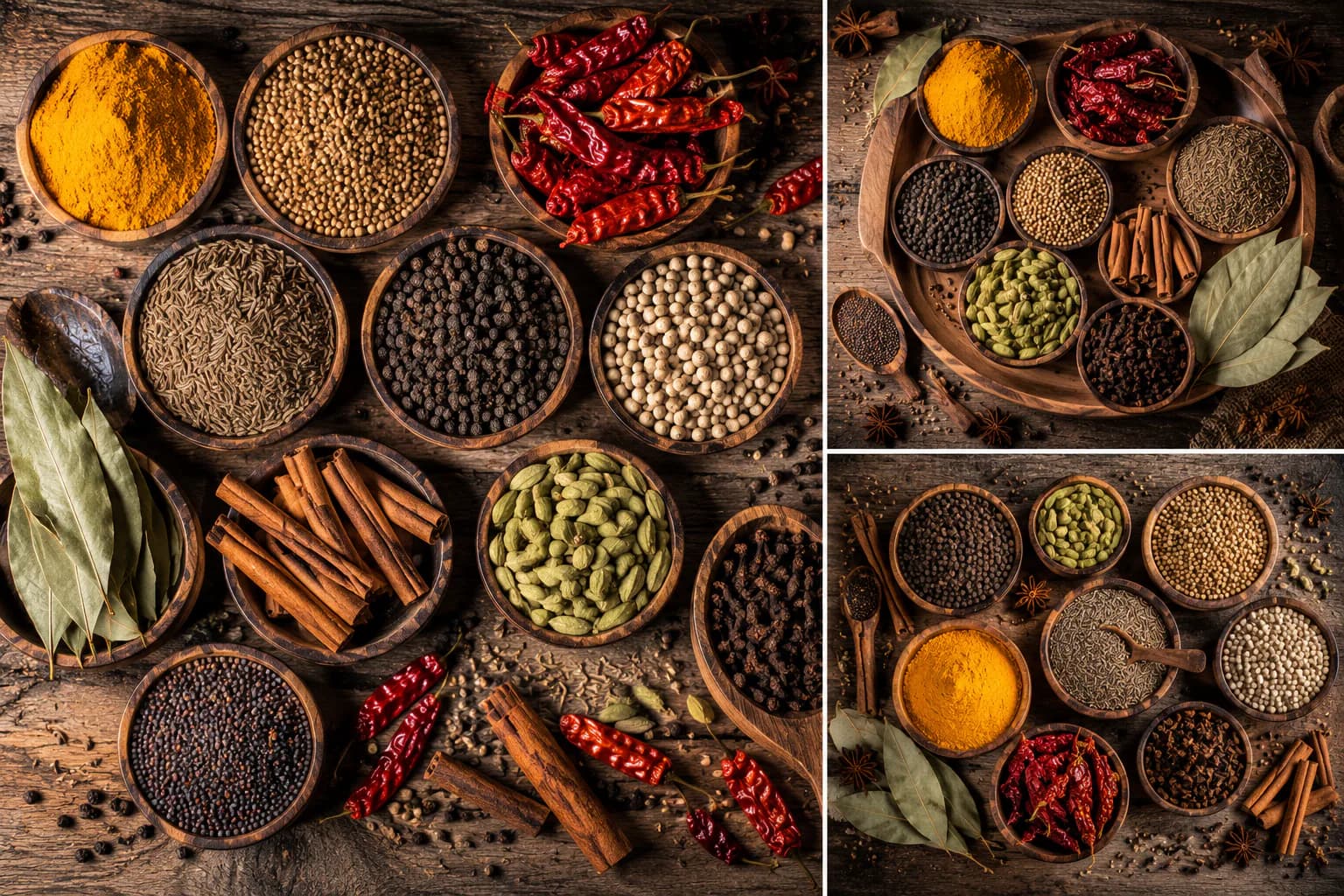
Turmeric brings earthiness and colour; chilli brings warmth; coriander rounds sharper notes; cumin adds nuttiness; and black pepper gives a dry, fragrant heat. Cinnamon, cardamom, clove and bay leaf lend perfume to rice and long-cooked meat dishes.
Mustard may appear as whole seed, oil or paste, each with its own rhythm. The importance lies less in using every spice than in knowing which few a dish needs—and when to add them.
- Toast for aroma
- Grind for release
- Layer rather than overwhelm
The bold spirit of Mezban masala
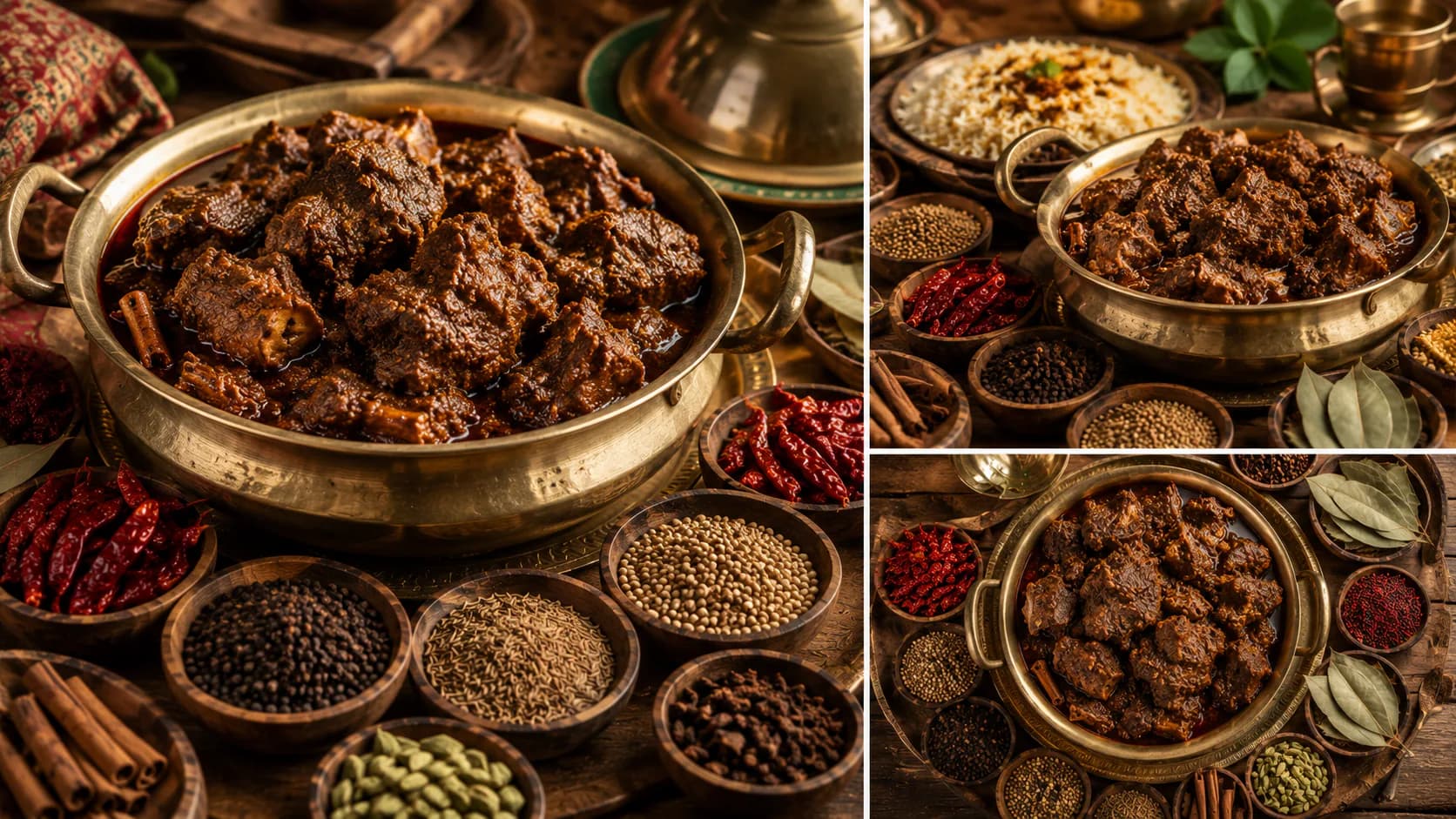
Mezban is a communal feast as much as a dish, and its beef preparation is known for a deep colour, generous heat and a concentrated gravy. Cumin, coriander, chilli, pepper and warm whole spices work with garlic, ginger and slowly cooked onion.
There is no single household formula. The signature comes from density and balance: spices should enrich the meat and browned base, not sit as a dusty layer above them.
Where citrus changes the masala
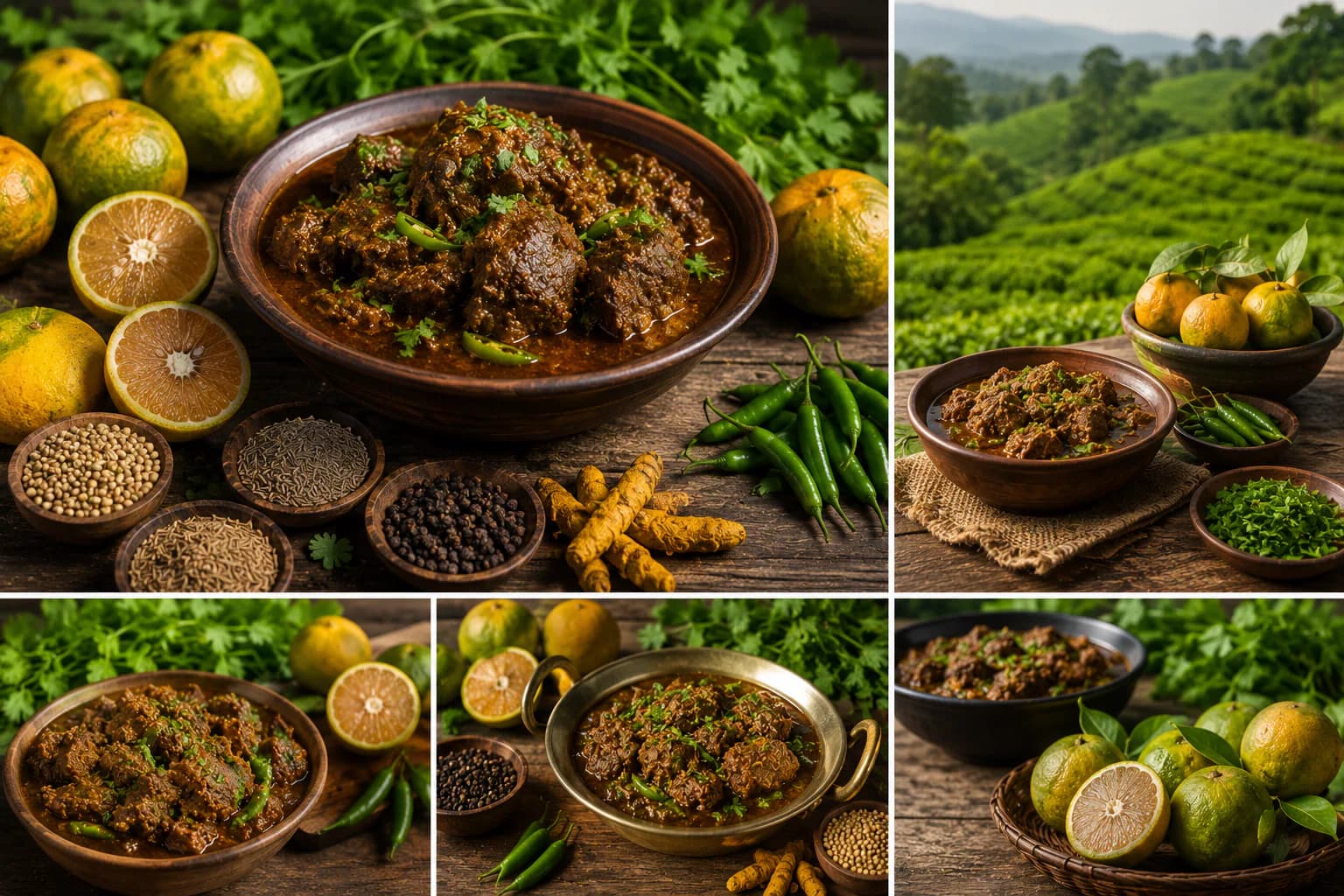
Sylhet's shatkora introduces a fragrant bitter-citrus note that cuts through rich meat. The supporting spices stay measured—often coriander, cumin, turmeric, black pepper and green chilli—so the fruit remains legible.
That restraint is instructive: regional flavour is not always about more spice. Sometimes it is the confidence to leave space around one defining local ingredient.
Roasting for warmth, not simply heat
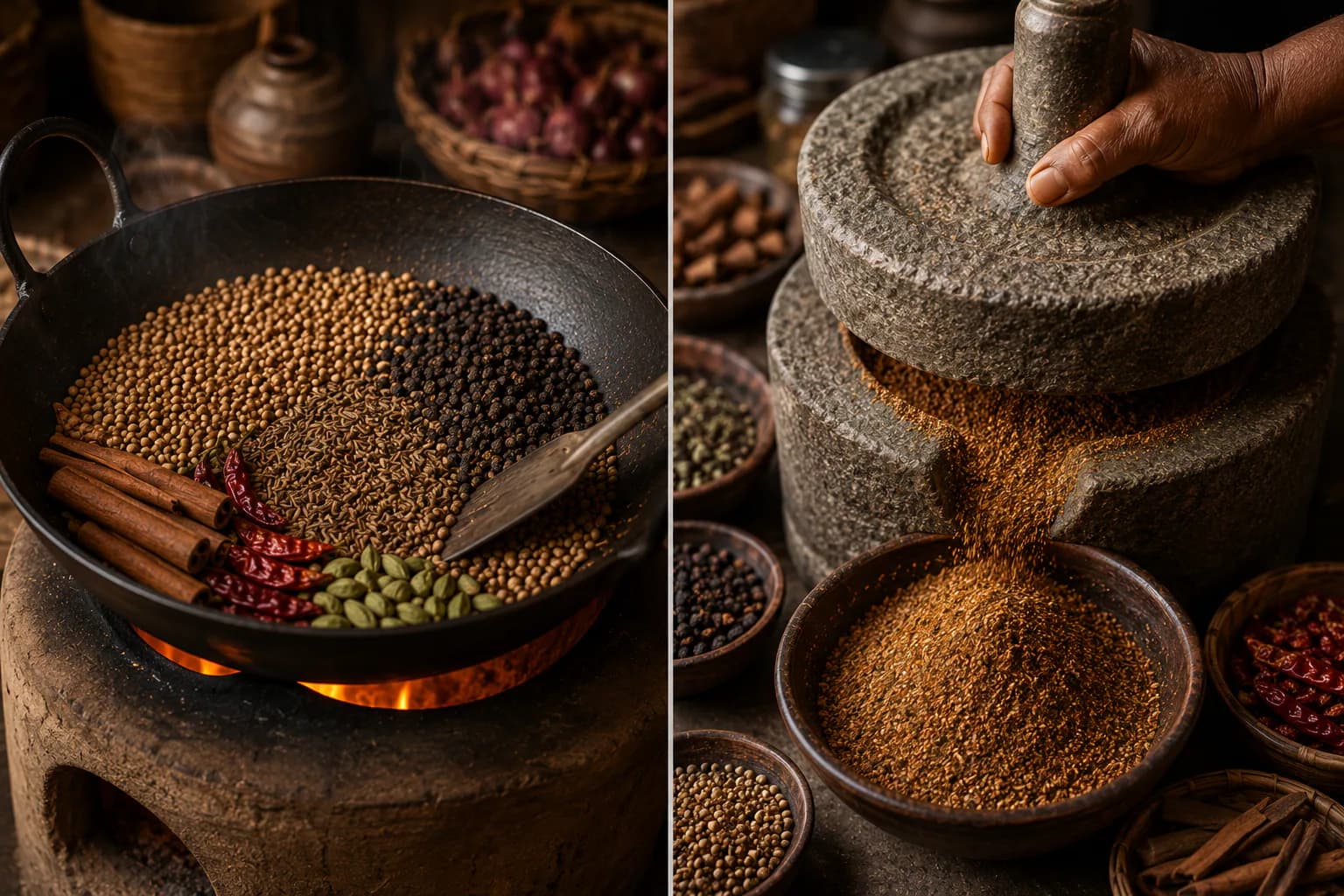
Dry-roasting coriander, cumin and pepper until fragrant changes their flavour before they ever reach the pan. The technique deepens nuttiness and allows a smaller quantity of spice to speak clearly.
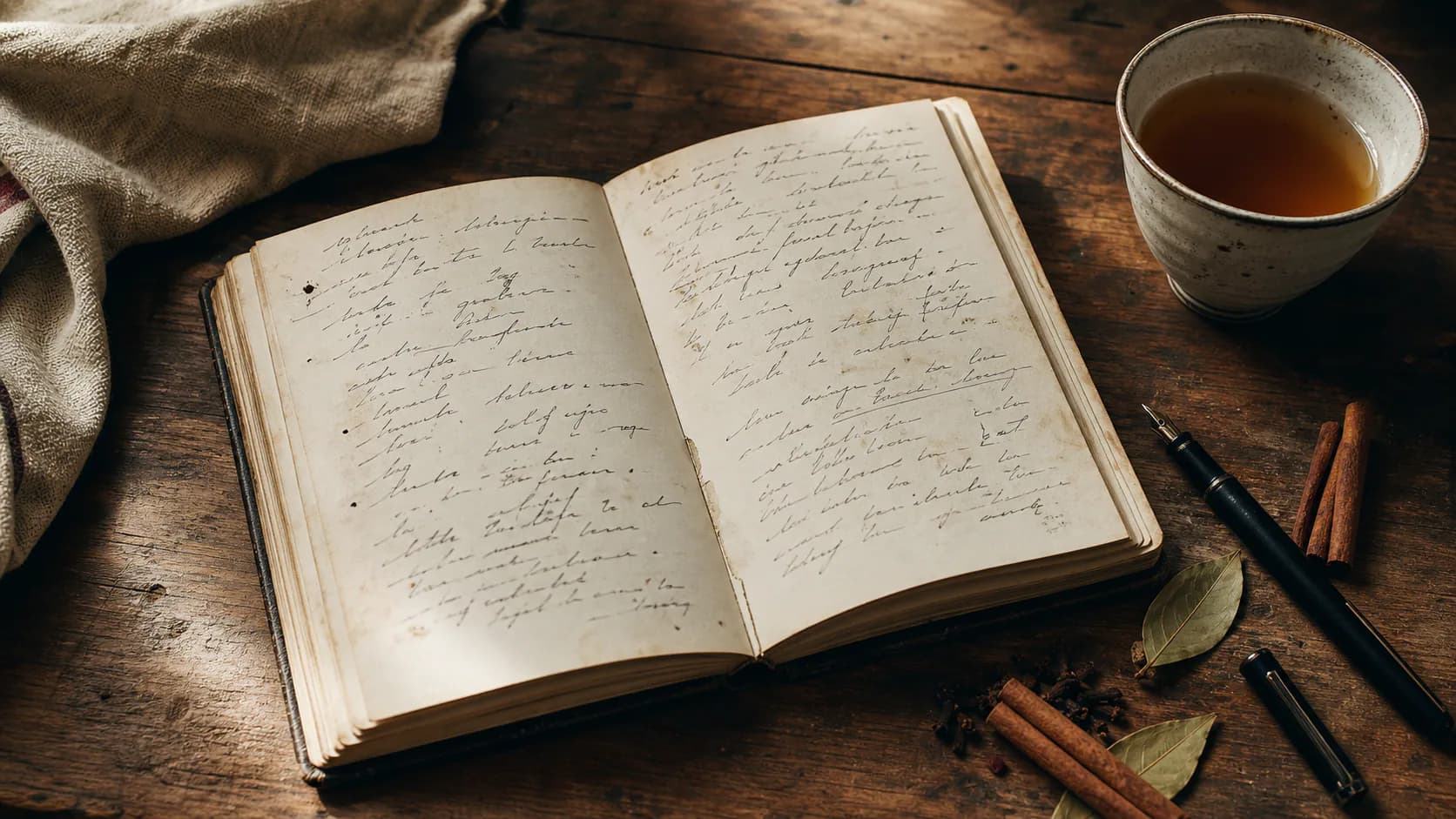
In the source manuscript, this craft is associated with Rajshahi's meat and lentil dishes. As with all regional cooking, practices cross district borders and vary between families; technique is a more useful guide than a rigid claim of ownership.
The perfumed architecture of a Mughlai legacy
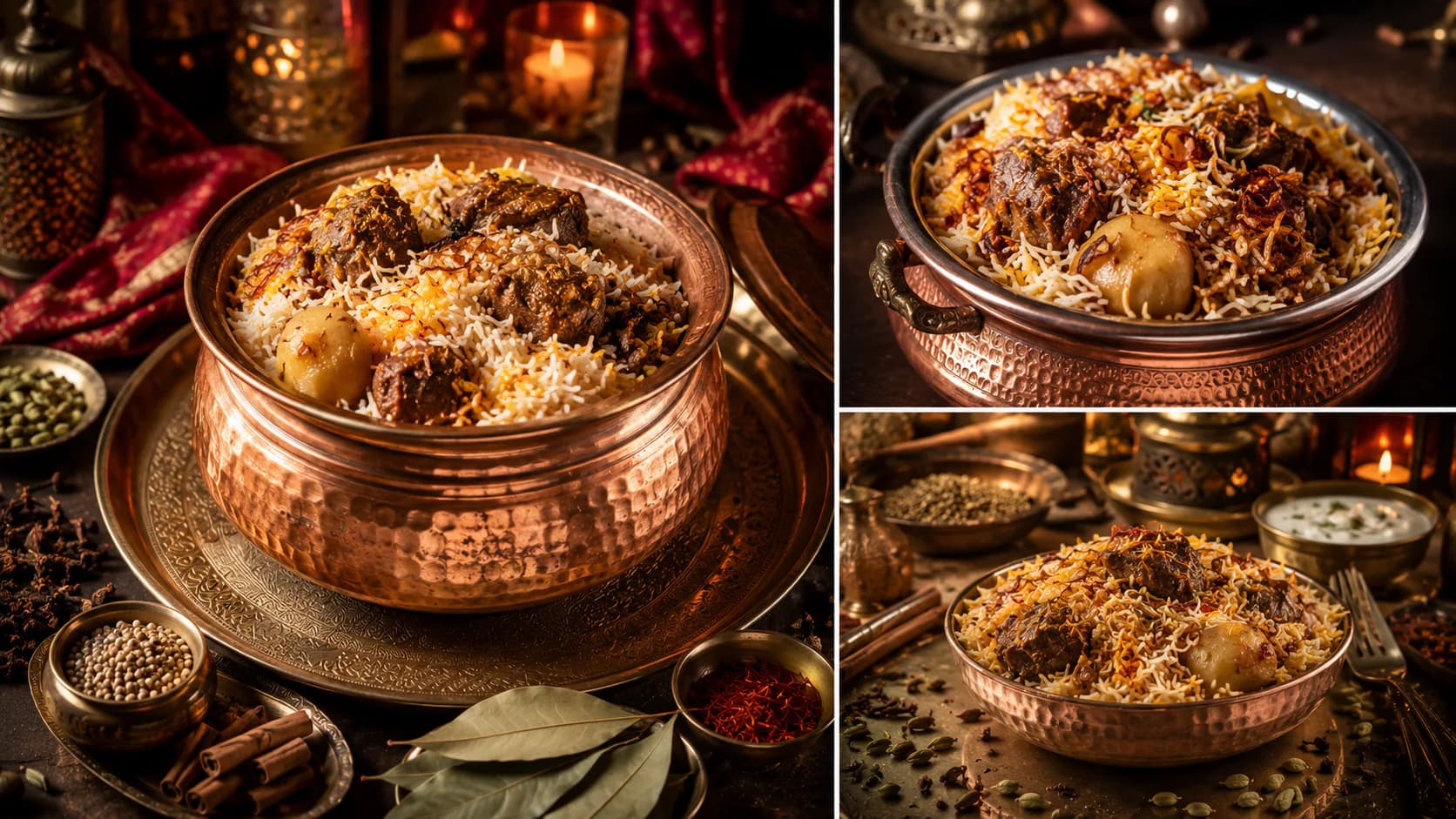
Old Dhaka's celebrated biryani, korma, roast and kebab traditions favour fragrance and slow infusion. Cardamom, cinnamon, clove, mace, nutmeg and pepper are handled with precision, often alongside yoghurt, ghee and browned onion.
The goal is not raw intensity. Whole spices perfume fat and steam over time, giving rice and meat a layered aroma that continues to unfold at the table.
Grinding, blending and the value of freshness
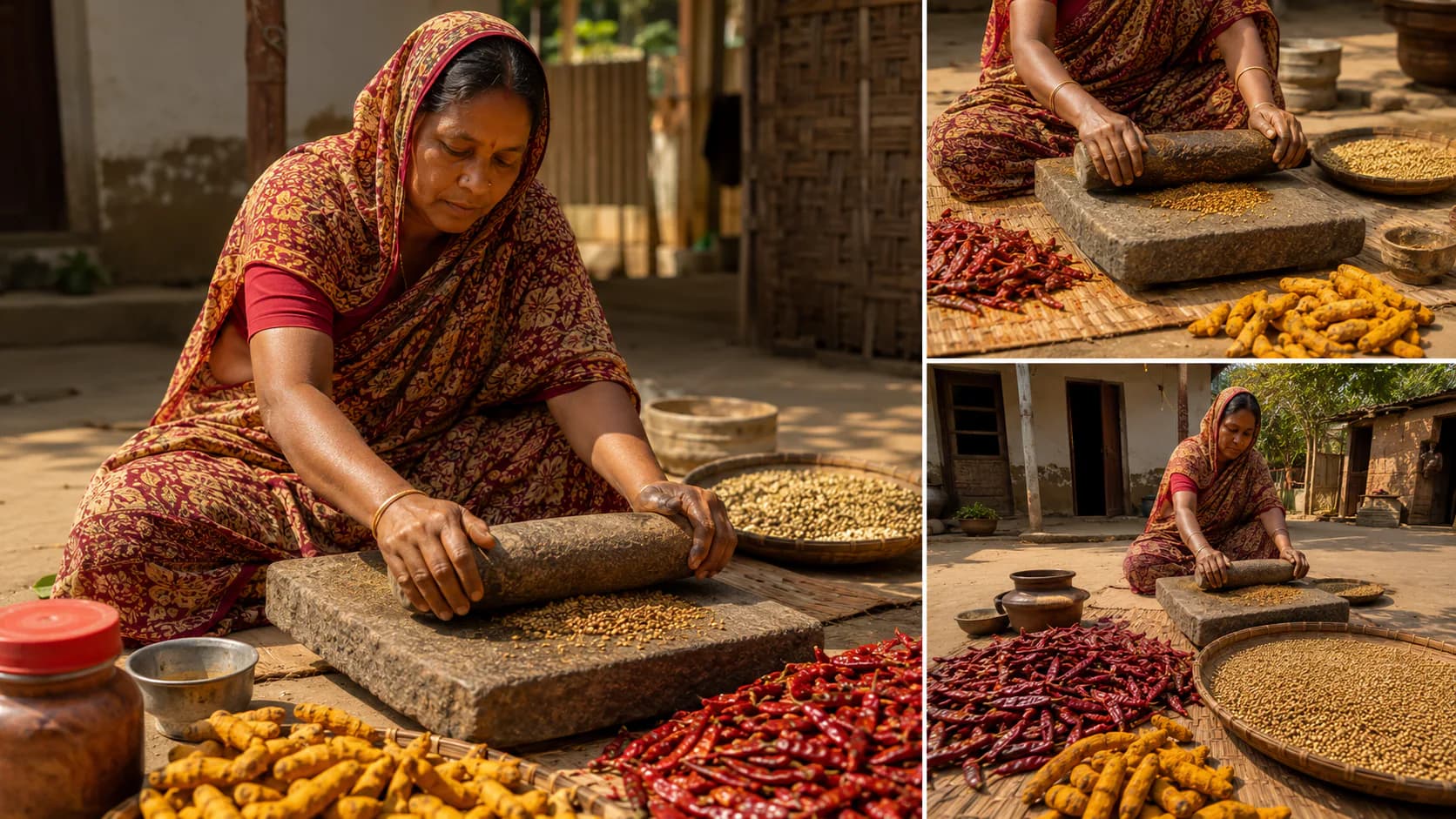
Before electric mills, cooks dried, roasted and ground spices with tools such as the shil nora and mortar. Those methods still matter, but freshness—not nostalgia alone—is the practical lesson.
Whole spices protect their aroma longer than powder. Grinding small quantities, cooling roasted spices before storing them and using clean airtight containers can make a greater difference than buying an elaborate pre-mixed blend.
Preserving spice heritage means preserving knowledge: the sound of a seed beginning to crackle, the smell that signals roasting should stop, and the proportions a family returns to for a particular dish.
A masala is not a fixed list. It is proportion, sequence and the memory of how a dish should smell.